


The Work
My work is formation-oriented rather than problem-driven. While I do address symptoms, and understand that they are often the driving force behind seeking help, my primary focus is on helping children, adolescents, adults, and families develop the internal strength, clarity, and relational capacity required for long-term growth.
Much of modern therapy is organized around diagnosis, crisis management, or short-term relief. Those approaches can be helpful, but they are often insufficient on their own. I am interested in deeper work: how a person is being shaped over time, how meaning is formed, how responsibility and agency are restored, and how suffering, when it cannot be avoided, can be integrated rather than simply managed.
With children and adolescents, this often means working developmentally rather than reactively. Behavior is understood in context, play is taken seriously, and the goal is not compliance but maturity. With adults, the work tends to center on identity, responsibility, relationships, and the slow rebuilding of what has been fractured or neglected over time.
My approach is informed by developmental psychology, attachment theory, and a Christian understanding of the human person. Faith is not imposed, but it is not excluded. For those who share that framework, it often provides coherence and depth to the work. For those who do not, therapy remains thoughtful, respectful, and grounded in the realities of human development and relationship.
I tend to work best with individuals and families who are not looking for quick fixes, but who are willing to engage in careful, honest work over time. My practice is intentionally selective, allowing me to work slowly and attentively with those for whom this approach is a good fit.
About Isaac
I’m a licensed professional counselor practicing in Anchorage, Alaska, with experience working with children, adolescents, adults, and families. My work is shaped by the conviction that meaningful change happens through formation over time, not quick fixes, techniques, or labels.
I began my career in community mental health and have spent years walking alongside individuals and families navigating anxiety, depression, relational strain, identity formation, and developmental challenges. Much of my work has focused on children and adolescents, though I continue to work with adults whose needs and goals fit my practice.
My approach is grounded, relational, and developmentally informed. I draw from attachment-based and play-informed models, while holding a deep respect for the role of meaning, responsibility, and lived experience in the process of healing. I’m less interested in reducing symptoms in isolation and more interested in helping people become more integrated, resilient, and free.
I am a Christian, and my faith informs how I understand people, suffering, and hope. I work with clients from a wide range of backgrounds and beliefs, and I do not approach therapy as a place for persuasion. For those who desire it, faith can be thoughtfully integrated into the therapeutic process; for others, it simply provides the quiet framework from which I practice.
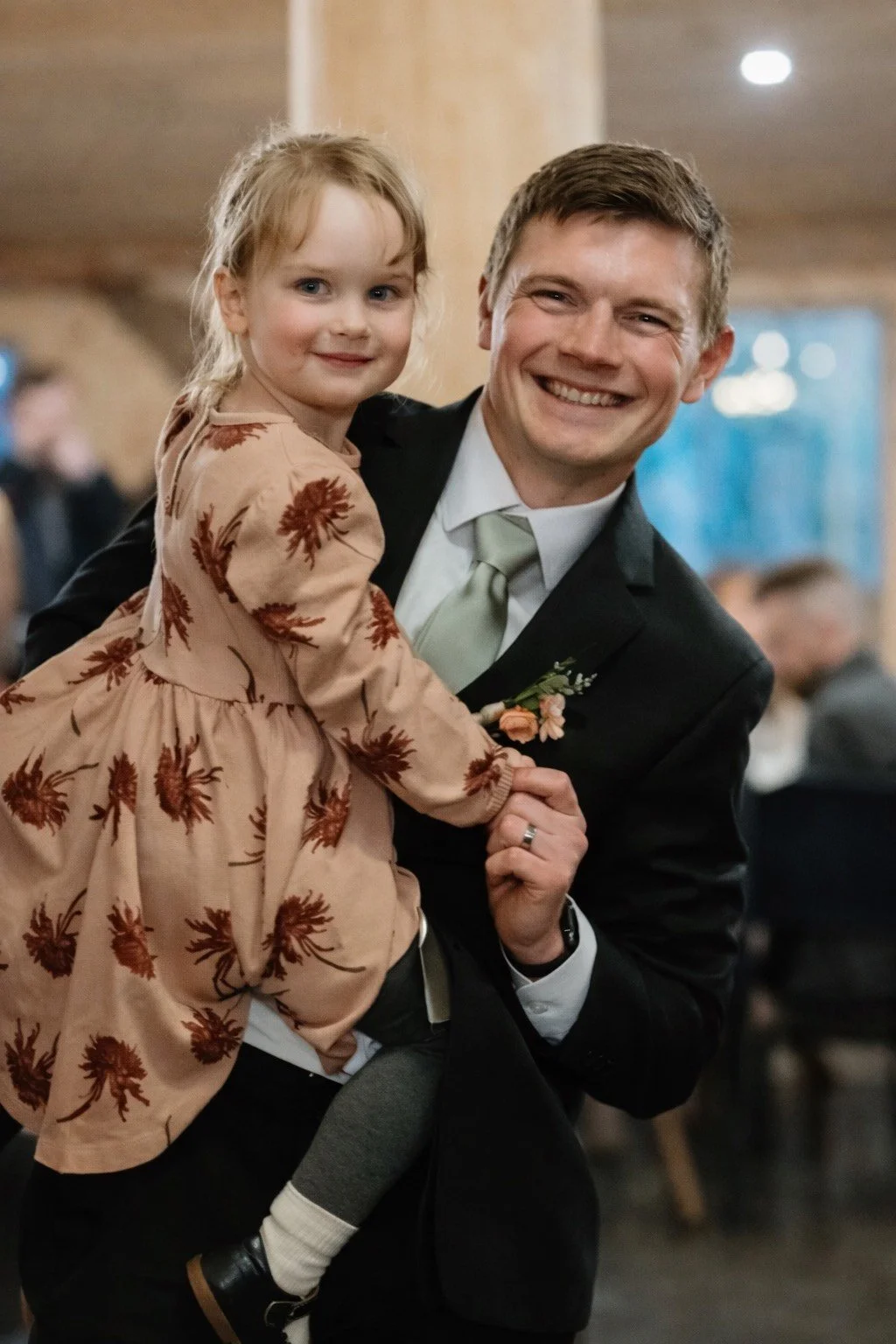
When not at work I enjoy spending time with my wife, three kids, and two dogs. We love to work on projects, adventure, spend time with our wonderful friends and church community and enjoy all that our wonderful state has to offer.
I currently maintain a full practice and am selective about new referrals to ensure good fit for both the client and the work we will do together.